What to Know About Postpartum Depression
January 19, 2026
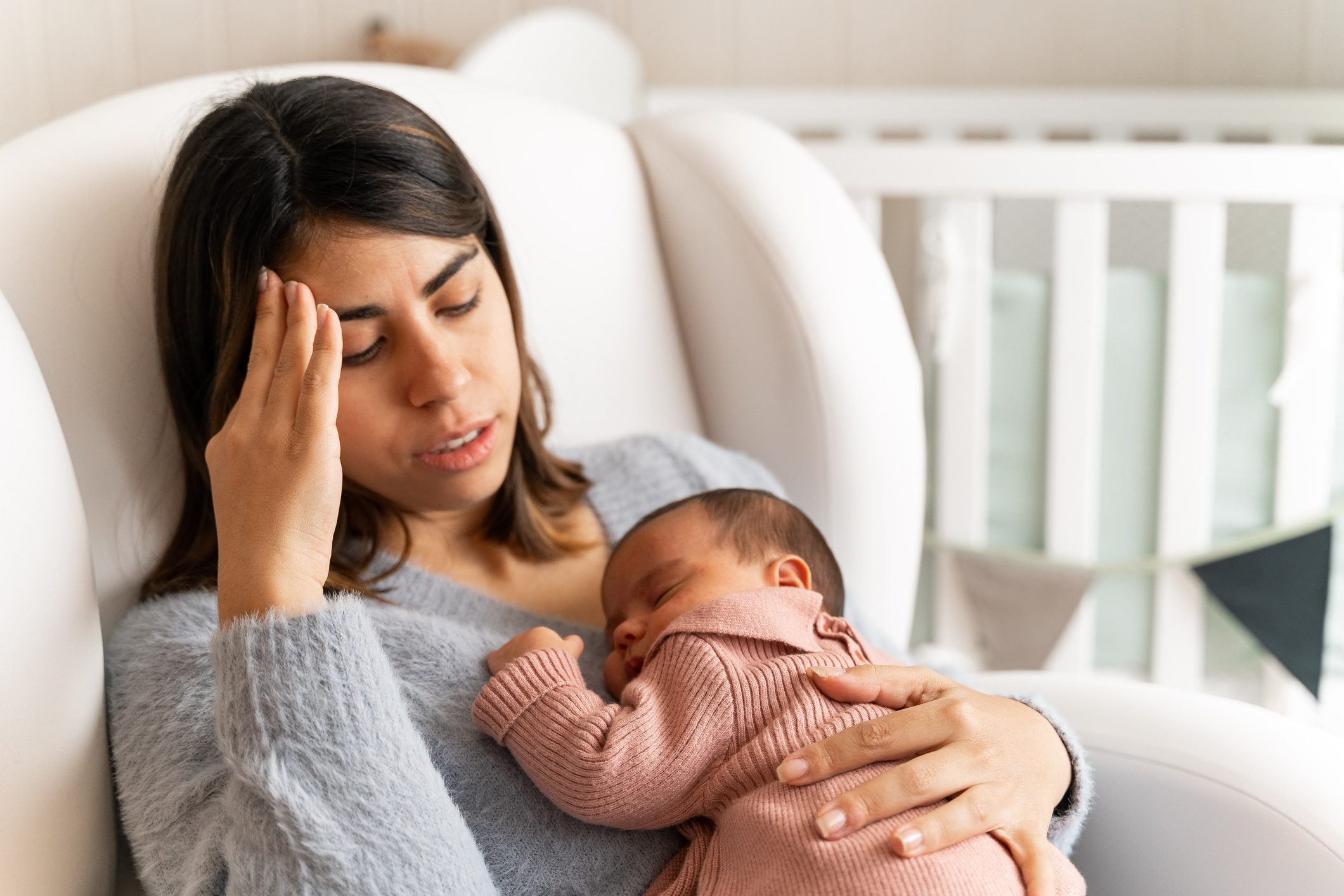
Bringing a new life into the world can be one of the most joyful experiences, but it can also bring unexpected challenges. Postpartum depression (PPD) is a serious mental health condition that affects many new mothers, and understanding it is vital for women who experience it and their loved ones.
PPD is more than just the “baby blues.” While it’s normal for new mothers to feel overwhelmed, anxious or teary, these feelings usually resolve within a few weeks. PPD is a more severe form of depression that can occur after childbirth, lasting much longer than baby blues and significantly impacting a mother’s ability to care for herself and her baby.
What Causes Postpartum Depression?
The exact cause of PPD is not completely understood, but it is believed to be a combination of physical, emotional and environmental factors. Here are some common contributors:
- Hormonal Changes: After childbirth, the levels of hormones such as estrogen and progesterone drop rapidly, which can contribute to mood swings and depression.
- Emotional Factors: The pressure of new responsibilities, lack of sleep and anxiety about caring for a newborn can be overwhelming.
- Environmental Stressors: A lack of support from family or friends, financial stress and relationship problems can increase the risk of PPD.
- Personal History: Women with a history of depression or mental health issues are more susceptible to PPD.
Signs of Postpartum Depression
It’s crucial to identify the signs of postpartum depression early to seek appropriate help. Here are some common symptoms:
- Persistent sadness or low mood
- Loss of interest or pleasure in activities
- Fatigue and low energy
- Changes in appetite or weight
- Sleep disturbances
- Feelings of worthlessness or guilt
- Difficulty bonding with the baby
- Thoughts of harming oneself or the baby
Baby blues vs. postpartum depression
The “baby blues” affect many new mothers and typically include mood swings, crying spells and anxiety. These feelings usually peak a few days after childbirth and taper off within two weeks. Postpartum depression is more intense and lasts longer, most often requiring medical intervention.
Seeking Help: Therapists and Treatments
If you or someone you know is experiencing symptoms of PPD, seeking help is essential. Various treatment options are available.
Therapists for postpartum depression
Talking to a therapist can provide new mothers with the support and guidance they need. Therapists specializing in PPD can help mothers navigate their feelings, develop coping strategies and work through challenges.
- Cognitive Behavioral Therapy: This goal-oriented form of talk therapy focuses on changing negative thought patterns.
- Interpersonal Therapy: This therapy aims to improve relationships and communication, addressing issues that may contribute to depression.
Postpartum depression medication
In some cases, medication may be necessary to manage PPD. Antidepressants can be effective, and many of them are deemed safe to use while breastfeeding. It’s crucial to discuss all options with a healthcare provider to find the best treatment plan for you.
Support groups and community resources
Joining a support group allows new mothers to connect with others experiencing similar challenges. Sharing experiences and advice can be incredibly validating and reassuring.
Community resources such as parenting classes, workshops and hotlines can also provide valuable support, information and resources.
Promoting Mental Health Awareness
Raising awareness about PPD is critical in reducing stigma and encouraging those affected by the condition to seek help. Here are some ways to help promote mental health awareness:
- Educate Others: Share information about PPD with friends and family to increase understanding and empathy.
- Advocate for Policy Change: Support policies that provide better access to mental health care for new mothers.
- Participate in Awareness Campaigns: Engage in local or online campaigns that aim to raise awareness and support for maternal mental health.
Supporting a Loved One With Postpartum Depression
If a loved one is experiencing PPD, your support can make a significant difference. Here are some ways you can help:
- Be There: Sometimes, just being present and offering a listening ear can provide comfort and reassurance.
- Encourage Professional Help: Gently encourage them to seek help from a healthcare provider or therapist.
- Offer Practical Support: Assist with daily tasks, such as cooking, cleaning or caring for the baby, to alleviate some of the stress.
- Stay Informed: Educate yourself about PPD to better understand what your loved one is going through.
Help Is Available
PPD is a challenging and often misunderstood condition, but help is available. By recognizing the signs, seeking appropriate treatment and offering support, we can make a significant impact on the lives of new mothers and their families. Remember that reaching out for help is a sign of strength, and taking the first step can lead to a healthier, happier life for both mother and child.
Cedar Hills Hospital in Portland, Oregon, offers an outpatient postpartum program for new mothers. Call 971-228-8000 to schedule a level-of-care assessment or learn more.
If you or a loved one is experiencing a mental health crisis, CALL 988 or seek the nearest emergency room.